Wildlife · September 28, 2026 · 1 min read
When to see the Great Migration: a month-by-month guide
The herds never stop moving. Here is where to find them through the year — and how to choose the right camp.
Every year, around one and a half million wildebeest, joined by hundreds of thousands of zebra and gazelle, move in a vast loop through the Serengeti and the Masai Mara. There is no single "migration season": the herds are always somewhere. The trick is knowing where.
December to March: calving in the south
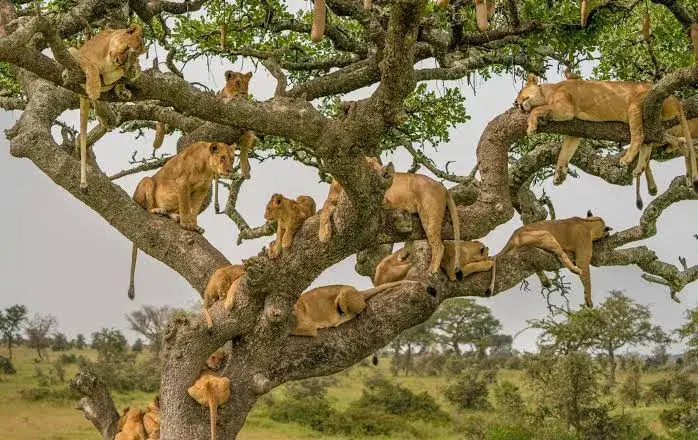
After the short rains, the herds spread across the short-grass plains of the southern Serengeti and Ndutu. Around February, hundreds of thousands of calves are born within a few weeks — and predators follow. This is one of the best times for big-cat action.
April and May: the long rains
The herds begin moving north-west. Many camps close, roads can be muddy, and prices drop. Travellers who don't mind rain enjoy green landscapes and very few vehicles.
June and July: the Grumeti River
The herds gather in the western corridor and cross the Grumeti River, which is home to large crocodiles.
July to October: the Mara River
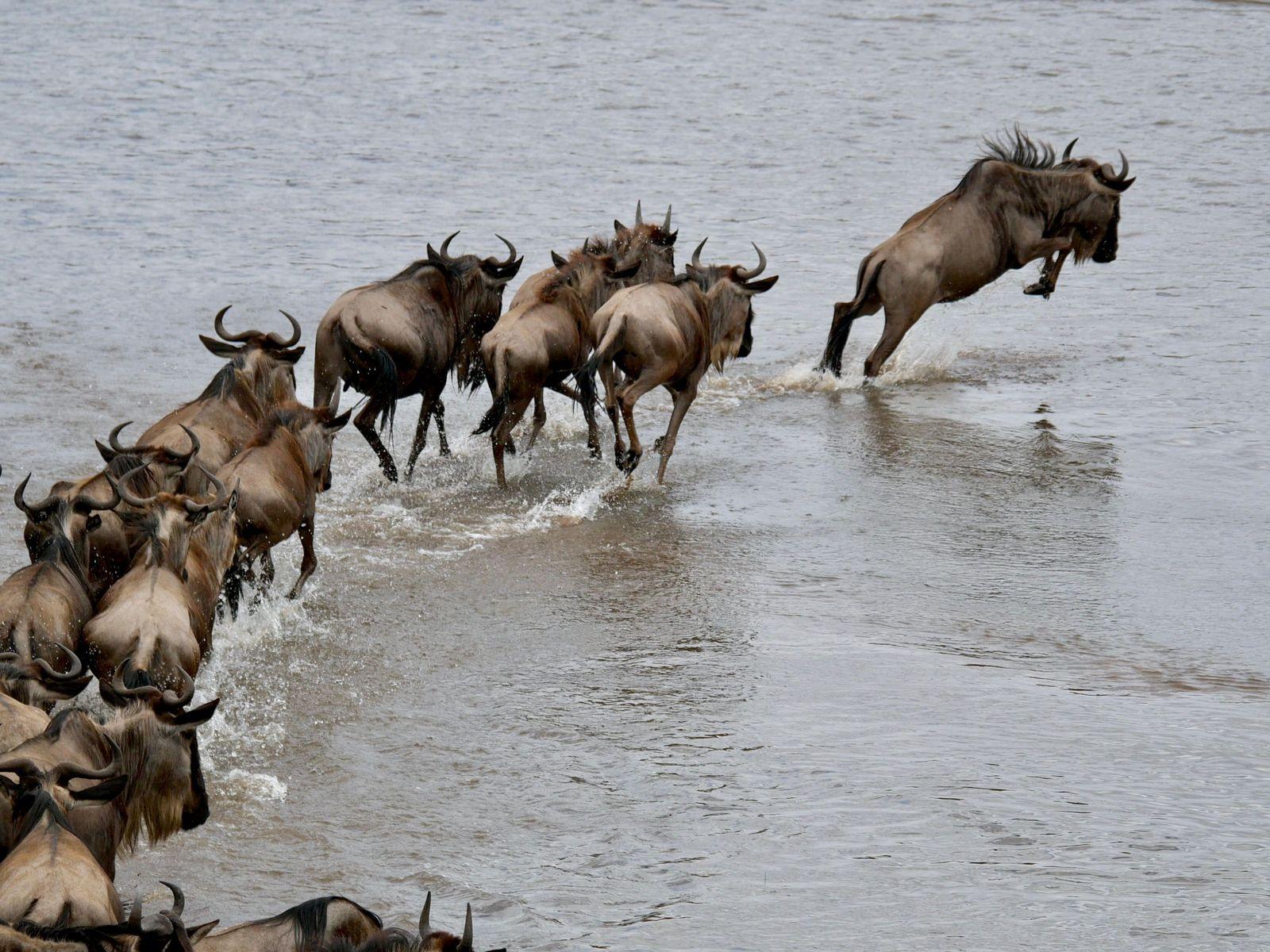
This is the most famous chapter. The herds reach the northern Serengeti and the Masai Mara, crossing the Mara River again and again. Timing varies from year to year and from day to day — patience is part of the experience.
A crossing can happen in minutes after hours of waiting. Good guides know when to wait and when to move on.
November: heading south again
With the short rains, the herds turn south through the eastern Serengeti towards the calving grounds, and the cycle begins again.
How we plan it
We place your camp according to the month you travel, and we combine the Mara and Serengeti when it makes sense. Tell us your dates and we will suggest the best position for you.
- #migration
- #masai mara
- #serengeti